

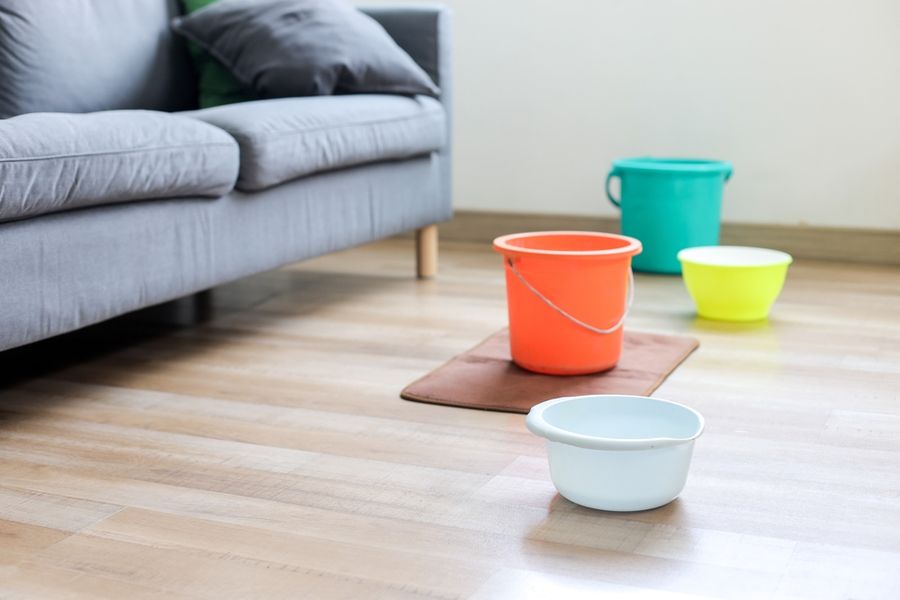
A mysterious water stain, damp smell, or unexpected puddle can quickly turn into a stressful home problem. Water often travels away from the original leak, so the wettest spot isn’t always where the trouble started. Finding the source takes a little patience, some careful observation, and a willingness to check a few less obvious places. Catching a leak early can also help prevent bigger headaches like damaged drywall, warped flooring, or unwanted mold growth.
Start With the Most Obvious Signs
Begin by looking closely at the area where you first noticed moisture. Water stains on ceilings, peeling paint, bubbling drywall, damp flooring, and musty odors can all provide clues. Pay attention to the color and shape of any stain. A fresh leak may feel damp or look darker, while an older problem may leave yellow or brown marks behind. Check nearby walls, baseboards, cabinets, and flooring for additional signs of moisture.
Try to determine when the leak appears as well. Does it happen only after rain, after someone showers, or when an appliance runs? Timing can narrow down the possibilities quickly. A leak that appears during storms may point toward the roof or exterior, while moisture that shows up after using plumbing fixtures may suggest a pipe, drain, or seal problem.
Check Plumbing Fixtures and Nearby Pipes
Bathrooms, kitchens, laundry rooms, and utility areas are common places for leaks because so many pipes and fixtures are concentrated there. Look beneath sinks for dripping supply lines, loose connections, damp cabinet floors, or corrosion around fittings. Around toilets, check for water near the base and pay attention to flooring that feels soft or discolored. Bathtubs and showers can also leak around worn caulk, cracked grout, drains, or plumbing connections.
Don’t forget appliances that use water. Dishwashers, refrigerators with water lines, washing machines, and water heaters can develop slow leaks that aren’t immediately obvious. Pull appliances away from the wall when it’s safe to do so and look for dampness underneath or behind them. Even a small drip can spread surprisingly far before becoming noticeable elsewhere.
Look Above the Water Stain
Water rarely falls straight down from the exact location where it enters. It can run along pipes, roof framing, floor joists, or other building materials before finally dripping into a visible area. If you see a ceiling stain, inspect the space above it whenever possible. An attic, crawl space, or upstairs room may reveal the real source several feet away from the damage.
Use a flashlight to look for damp wood, darkened insulation, water trails, rusted fasteners, or moisture around pipes. In an attic, check the roof decking and areas around vents, chimneys, skylights, and other roof penetrations. Following the path of moisture backward can help identify where water first entered instead of simply focusing on where it eventually collected.
Pay Attention to Rain-Related Leaks
If moisture appears during or shortly after rain, the leak may be coming from the roof, siding, windows, doors, or another part of the home’s exterior. Start by checking areas directly above and around the water damage. Roof problems may involve missing shingles, damaged flashing, clogged gutters, or gaps around vents and chimneys. Water can also enter around windows when seals or exterior caulking begin to fail.
Walk around the outside of your home and look for obvious trouble spots. Check whether gutters are overflowing, downspouts are directing water away from the foundation, and siding appears damaged or loose. Cracks around windows and doors may also allow rainwater inside. Remember that wind can push water sideways, so the entry point may not sit directly above the indoor stain.
Use Your Water Meter to Check for Hidden Leaks
Some plumbing leaks stay hidden behind walls, under floors, or beneath the foundation. Your water meter can help determine whether water is escaping somewhere you can’t easily see. Turn off faucets, appliances, irrigation systems, and anything else that uses water. Make sure nobody in the household uses plumbing while you’re checking. Then look at the meter and note the reading.
Wait for a while without using any water and check the meter again. If the reading has changed, there may be a leak somewhere in the plumbing system. Some meters also have a small leak indicator that moves when water is flowing. A meter test won’t tell you exactly where the problem is, but it can confirm that further investigation is worthwhile, especially when no visible source is obvious.
Know When the Leak Calls for Professional Help
Not every leak is easy or safe to track down on your own. Water coming through electrical fixtures, large ceiling bulges, rapidly spreading moisture, or significant flooding should be treated cautiously. Avoid touching wet electrical equipment and shut off the home’s water supply if a plumbing leak is causing substantial damage. Acting quickly can limit how much water spreads through walls, flooring, and belongings.
A plumber can help locate hidden supply or drain leaks, while a roofer may be better suited for problems linked to storms or roof damage. Water restoration professionals can also help when moisture has affected a large area. Calling in the right expert early may prevent unnecessary demolition and help make sure the underlying problem gets repaired rather than simply covered up.
Follow the Clues Before Fixing the Damage
Finding a water leak often requires working backward from the visible damage. Look at when the moisture appears, inspect nearby plumbing, check areas above the stain, and pay attention to weather conditions. A little detective work can often reveal whether the problem starts with a fixture, pipe, roof, appliance, or exterior opening.
Once you’ve found the source, repair the leak before patching drywall, repainting, or replacing damaged materials. Cosmetic repairs won’t last if water is still getting in. Solving the underlying problem first gives the area a chance to dry properly and can help protect your home from another round of damage.