

Finding time to move more can feel difficult when work, errands, family responsibilities, and everyday tasks already fill the schedule. The good news is that movement doesn’t have to mean blocking off an hour for a workout. Small bursts of activity can fit naturally into routines you already have. Walking a little farther, standing more often, and using short breaks wisely can all help you spend less of the day sitting without making your schedule feel even more crowded.
Turn Short Breaks Into Movement Breaks
A few spare minutes can be enough to add meaningful movement to your day. Instead of scrolling through your phone during every break, stand up and walk around the room, stretch, climb a flight of stairs, or step outside for a quick lap around the building. Short activity breaks can also help break up long periods of sitting.
You don't need to work up a sweat every time you move. Even two or three minutes of activity can help you build a habit of getting out of your chair more often. Consider setting a reminder if you regularly lose track of time while working. Over the course of a full day, several short movement breaks can add up without requiring you to rearrange your entire schedule.
Walk Whenever You Have the Opportunity
Walking is one of the easiest forms of movement to fit into a busy routine because it doesn't require special equipment or much planning. Park a little farther from the entrance when running errands, take the stairs instead of the elevator when practical, or walk to a nearby destination rather than driving when time and conditions allow.
You can also look for opportunities to walk during activities that normally involve sitting. Take a phone call while walking around your home or office, stroll around the block while catching up with a friend, or walk for a few minutes while waiting for an appointment. The goal isn't to turn every moment into exercise. It's simply to notice where a little extra walking can fit naturally into things you're already doing.
Add Movement to Everyday Chores
Household tasks can provide more activity than you might expect. Vacuuming, sweeping, carrying laundry, gardening, washing the car, and tidying rooms all require movement. Instead of thinking of chores only as items to finish, consider them opportunities to spend some time on your feet and away from a chair.
You can make routine tasks a little more active without making them complicated. Put laundry away one load at a time, take several shorter trips when carrying groceries inside, or walk around while waiting for dinner to cook. Yard work can also be a useful way to spend more time moving outdoors. Everyday activity doesn't have to look like a formal workout to count as movement during a busy day.
Make Your Workday Less Sedentary
Desk jobs can make it easy to sit for hours without noticing. Look for small reasons to stand or walk throughout the workday. You might stand while reading an email, walk to speak with a coworker instead of sending a message, or refill your water bottle more often. If you work from home, try walking around between meetings or changing work locations occasionally.
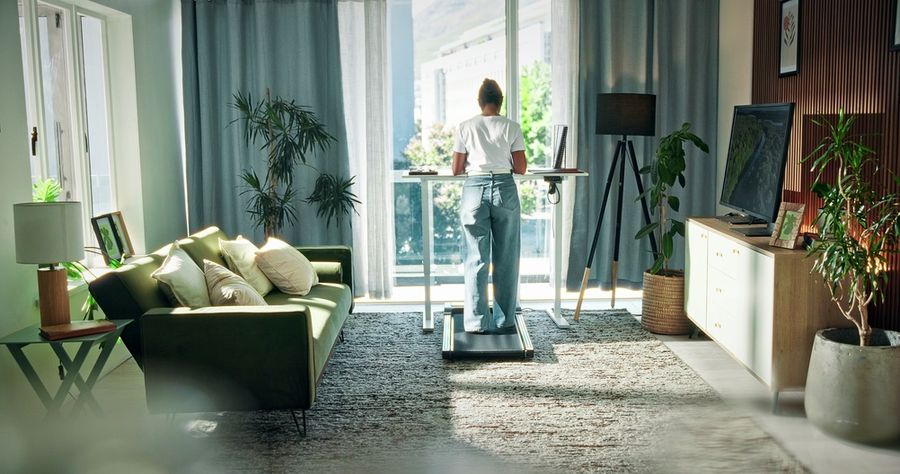
If you want to add more movement while working, consider investing in a walking pad that fits under a standing desk. It can make it easier to get in some light walking during tasks that don't require intense concentration, such as listening to meetings or reviewing documents. You don't need to use it all day. Even short walking sessions can break up long stretches of sitting and help make movement a more regular part of your work routine.
Use Waiting Time to Stay Active
Busy days often contain small pockets of waiting time that can easily go unnoticed. You may spend several minutes waiting for coffee to brew, food to heat, a child to finish an activity, or an appointment to begin. Instead of automatically sitting down, use some of that time to move around when it makes sense.
Walk around the kitchen, stretch your legs, do a few gentle bodyweight movements, or pace nearby while you wait. If you're watching television in the evening, you could stand up or walk around during commercial breaks or between episodes. Small choices like these won't replace dedicated exercise if you enjoy it, but they can reduce the amount of uninterrupted sitting in your day and make movement feel like a normal part of your routine.
Choose Activities You Actually Enjoy
You're more likely to keep moving regularly when the activity doesn't feel like a punishment. Walking isn't your only option. Dancing around the house, playing with your dog, gardening, riding a bike, stretching, or playing outside with your kids can all add activity to your day while also being enjoyable.
Think about what kind of movement fits your personality and routine. If you enjoy company, invite a friend for a walk instead of meeting for coffee. If music motivates you, play a few songs while you clean or cook. If you prefer quiet time, take a short solo walk after dinner. Making movement enjoyable removes some of the pressure to follow a strict fitness routine and can make staying active feel much easier to maintain.
Let Small Amounts of Movement Add Up
You don't need a perfect workout schedule to spend less time sitting. A busy day may not leave room for a long exercise session, but it probably contains several opportunities to stand, walk, stretch, or move for a few minutes. Taking advantage of those moments can make activity feel more manageable.
Start with changes that are easy enough to repeat. Take the stairs, walk during a phone call, move during a break, or turn an everyday chore into a chance to stay active. Once those habits feel normal, you can add more if you want. Consistency matters more than trying to squeeze an unrealistic routine into an already packed schedule.