

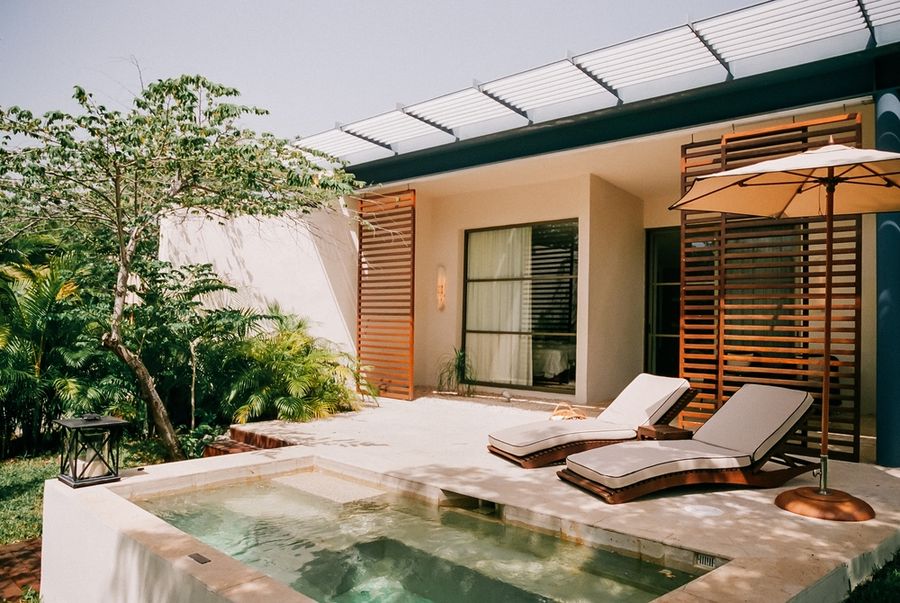
A small backyard can still offer plenty of room for relaxing, entertaining, gardening, or spending time outside. The challenge is making every square foot feel intentional instead of crowded. Oversized furniture, awkward layouts, and unused corners can quickly make a compact yard seem even smaller. With thoughtful planning, though, limited outdoor space can serve several purposes without feeling cluttered. The goal isn’t to fit everything in, but to create a yard that works well for how you actually live.
Decide How You Want to Use the Space
Before buying furniture or starting a landscaping project, think about what you want from your backyard most. Maybe you picture outdoor dinners, a quiet place to read, space for children to play, or a small garden. Trying to accommodate every possible activity can leave a compact yard feeling cramped, so focus on the functions you’ll use regularly.
Once you know your priorities, divide the yard into simple activity zones. A patio corner might become a dining area, while another section could hold plants or a small seating arrangement. You don’t need walls or fences between each zone. Changes in flooring, outdoor rugs, planters, or furniture placement can create subtle boundaries. Giving each part of the yard a clear purpose often makes the entire space feel more organized and useful.
Choose Furniture That Fits the Scale
Large outdoor sectionals and oversized dining tables can overwhelm a small yard quickly. Look for furniture with slimmer profiles that leaves enough open space for people to move comfortably. A compact bistro set, narrow bench, or pair of lightweight chairs may provide all the seating you need without taking over the entire patio.
Furniture that serves more than one purpose can stretch your available space even further. Benches with built-in storage provide seating while hiding outdoor cushions, gardening supplies, or toys. Folding chairs and tables can be brought out when guests arrive and stored when they're not needed. Nesting tables are another flexible option because they can be separated when extra surfaces are useful. Choosing pieces based on the yard's actual dimensions helps keep the space functional rather than crowded.
Make Use of Walls and Vertical Space
When ground space is limited, start looking upward. Walls, fences, railings, and other vertical surfaces can provide valuable room for plants and storage without reducing the usable footprint of the yard. Hanging planters, wall-mounted shelves, and vertical garden systems can add greenery while keeping pathways and seating areas open.
Climbing plants can also soften fences and make a small yard feel more inviting. A trellis can support flowering vines, vegetables, or other climbing plants while adding visual interest without requiring a large garden bed. Wall hooks can hold lightweight gardening tools or outdoor accessories that would otherwise take up floor space. Using vertical areas allows you to add personality and function without filling every available corner at ground level.
Keep Pathways Clear and Easy to Follow
A backyard can feel much smaller when people have to squeeze around furniture, planters, or other obstacles. Clear pathways make movement easier and help the space feel more open. Arrange furniture so there's an obvious route from the house to important areas such as seating, gates, garden beds, or storage.
You can also use pavers, gravel, stepping stones, or changes in surface material to visually define walking areas. Straight paths can create a clean, organized look, while gentle curves may make the yard feel less rigid. Avoid placing too many decorative items along the route, since clutter can narrow the space visually and physically. Even in a very compact backyard, leaving a little breathing room between features can make the layout feel far more comfortable.
Add Greenery Without Filling Every Corner
Plants can make a small backyard feel lush and welcoming, but too many large shrubs or crowded garden beds may reduce usable space. Choose plants with growth habits that match the size of the yard, and consider containers when you want more flexibility. Pots can be rearranged as your needs change, making them particularly useful in small spaces.
Grouping several containers together can also create a stronger visual impact than scattering individual pots throughout the yard. Consider using a mix of plant heights to draw the eye upward and give the landscape more depth. Raised planters can provide room for herbs, flowers, or vegetables without requiring a traditional garden plot. Leaving some open areas between plantings helps prevent the yard from feeling enclosed, while still giving you plenty of greenery to enjoy.
Use Lighting to Extend the Backyard’s Usefulness
Good outdoor lighting can make a small backyard useful long after the sun goes down. Rather than relying on one bright fixture, consider several softer sources placed around seating areas, pathways, or garden features. String lights, wall-mounted fixtures, solar path lights, and rechargeable lanterns can all add illumination without taking up much space.
Think about safety and atmosphere at the same time. Steps and walkways should be easy to see, while seating areas can benefit from warmer, gentler lighting. Avoid overcrowding the yard with too many fixtures, since a few carefully placed lights may be enough. Lighting can also draw attention to attractive plants or architectural details at night, helping the backyard feel like an extension of your indoor living space rather than an area that's only useful during daylight hours.
Make Every Square Foot Work for You
A small backyard doesn't need to feel limiting. Focusing on the activities you enjoy most can help you decide where your space is best spent. Right-sized furniture, vertical features, clear walkways, thoughtful planting, and flexible lighting can all make a compact yard easier to use without filling it with unnecessary additions.
The best layout is one that suits your everyday routine. You may not need a dining area, garden, lounge, and play space all at once. Choose the features that matter most, leave enough open room to move comfortably, and adjust the setup as your needs change. A backyard can feel surprisingly generous when every element has a reason for being there.