

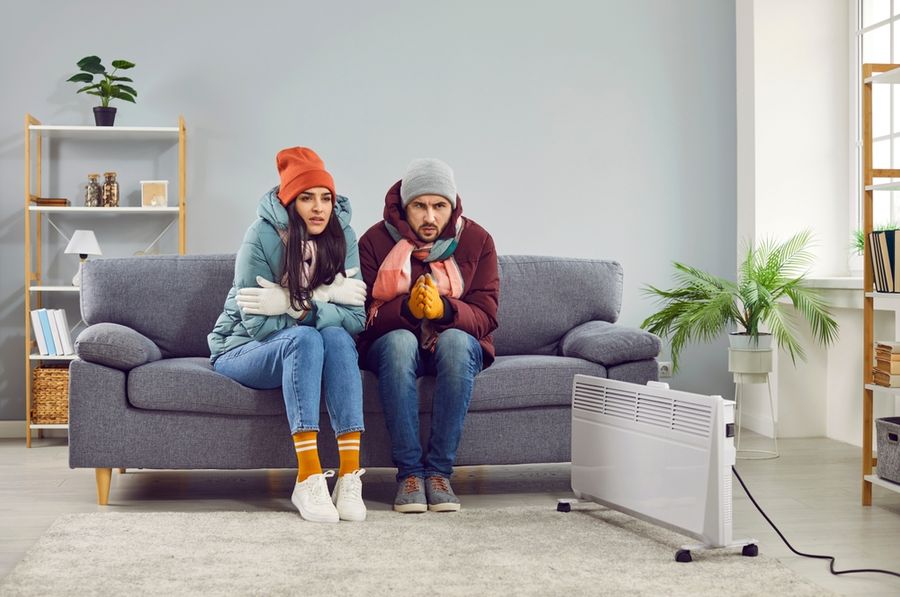
A chilly room can make an otherwise comfortable home feel frustrating, especially when the heat is running and every other space feels fine. Cold spots often come from more than one issue, ranging from blocked airflow to drafts, insulation gaps, or heating system problems. Paying attention to where the cold air seems strongest can help narrow down the cause. A few simple checks may reveal why one room struggles to hold onto warmth and what can improve comfort.
Make Sure Warm Air Can Reach the Room
Start by checking the heating vents or radiators in the room. Furniture, curtains, rugs, or other belongings can block warm air from spreading properly. Move anything sitting directly in front of a vent and make sure registers are fully open. If you have radiators, avoid covering them with large pieces of furniture that trap heat instead of letting it circulate through the space.
Next, compare the airflow with vents in warmer rooms. Weak airflow may point to a problem deeper in the ductwork, such as a blockage, leak, closed damper, or poor system balance. Dust buildup can also reduce airflow around registers. Cleaning the vent covers is an easy starting point. If airflow remains noticeably weaker than elsewhere in the house, an HVAC professional may need to inspect the system.
Look for Drafts Around Windows and Doors
Windows and exterior doors are common sources of unwanted cold air. On a windy or cold day, slowly move your hand around window frames, door edges, and trim to feel for drafts. You may also notice curtains moving slightly even when the window is closed. Small gaps can let cold outdoor air enter while allowing heated indoor air to escape.
Weatherstripping can help seal gaps around movable parts of doors and windows, while caulk can close cracks around stationary frames and trim. A door sweep may help if cold air is entering underneath an exterior door. Older windows can also lose more heat than newer models, but replacement isn’t always the first step. Heavy curtains, cellular shades, and removable window insulation can improve comfort without requiring a major renovation.
Check Whether the Room Has Enough Insulation
Poor insulation can make a room lose heat faster than the heating system can replace it. Rooms above garages, beneath attics, or along multiple exterior walls are especially prone to feeling colder. If the room warms while the heat is running but quickly turns chilly afterward, heat loss through walls, ceilings, or floors may be part of the problem.
Look for clues such as unusually cold walls, floors, or ceilings. An accessible attic can make it easier to spot areas where insulation looks thin, compressed, damaged, or missing. Insulation problems inside walls are harder to identify without specialized equipment. A home energy audit or thermal imaging inspection can help locate hidden areas of heat loss. Improving insulation can make the room more comfortable while also reducing unnecessary strain on the heating system.
Improve Air Circulation Throughout the Space
Sometimes warm air reaches a room but doesn’t spread evenly. Heat naturally rises, which can leave the area near the floor noticeably colder. A ceiling fan can help redistribute warm air when used correctly. Many ceiling fans have a reverse setting that allows the blades to rotate clockwise at a low speed during colder months, gently pushing warm air back down into the room.
Keeping interior doors open can also improve circulation, especially if the room has limited return airflow. In homes with forced-air heating, air needs a path back toward the HVAC system after entering a room. A closed door can sometimes interfere with that flow. Small fans can also help move warm air from a nearby hallway or warmer room, but they work best as a comfort improvement rather than a solution for significant heating problems.
Pay Attention to the Thermostat Location
Your thermostat controls the heating system based on the temperature where the thermostat itself is located. If it sits in a warm hallway, sunny room, or central area of the house, the system may shut off before a colder room reaches a comfortable temperature. As a result, one space may consistently feel several degrees cooler even though the thermostat says the house is warm enough.
Temperature differences are especially common in larger homes, additions, upper floors, and rooms located far from the heating system. A simple indoor thermometer can help you compare temperatures throughout the house. Some modern HVAC systems support remote sensors or zoning, which can provide more balanced heating. Before making major changes, though, rule out simpler issues such as blocked vents, drafts, and poor insulation that may be creating the temperature difference.
Know When to Check the Heating System
If basic fixes don't improve the room, the heating system itself may need attention. Dirty filters can restrict airflow throughout a forced-air system, so check the filter and replace it if needed. Duct leaks can also allow heated air to escape before reaching distant rooms. In homes with boilers or radiators, trapped air or circulation problems may prevent certain areas from heating properly.
Pay attention to other warning signs, including unusual noises, frequent cycling, rising energy use, or several rooms becoming difficult to heat. Such symptoms can indicate a larger HVAC issue rather than a problem limited to one room. A qualified technician can inspect airflow, ductwork, dampers, equipment performance, and overall system balance. Professional help is especially useful when a room has always been colder despite efforts to seal and insulate it.
Bring the Room Back Into the Comfort Zone
A room that never stays warm usually has an underlying reason, even if the cause isn’t obvious at first. Start with airflow and drafts, then consider insulation, circulation, thermostat placement, and heating system performance. Looking at each possibility individually can help you avoid spending money on upgrades that don't address the real problem.
Small improvements can sometimes make a noticeable difference, while persistent cold spots may require a deeper inspection. Once you identify where heat is being lost or why warm air isn’t reaching the room effectively, you can choose a solution that improves comfort without simply turning the thermostat higher.